

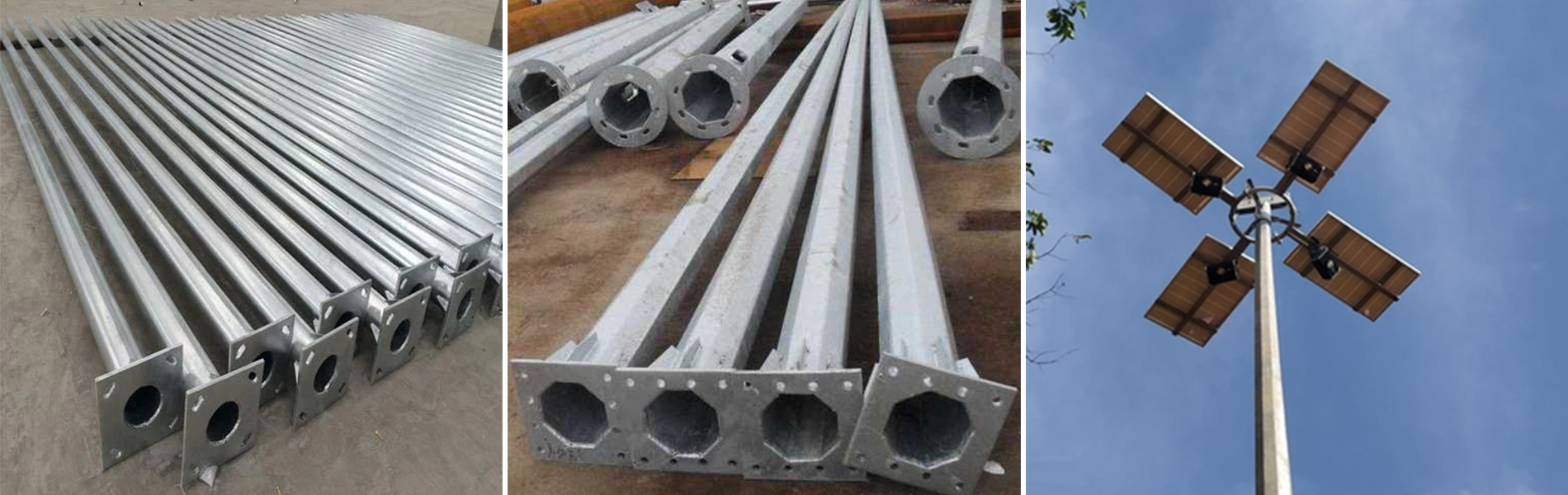
HT / LT Electrical Pole Manufacturer
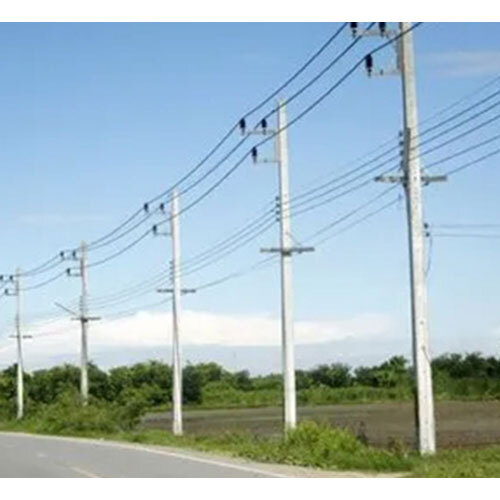
About our product range
A low tension line refers to low voltage, while a high tension line pertains to high voltage. In the case of a three-phase connection, an LT supply of 400 volts is provided. For a single-phase connection, the supply is 230 volts. Should you require a substantial amount of power for your system, a High Tension (HT) supply will be necessary. The HT-LT Electrical Pole that we offer is constructed from high-quality metal alloy and features a corrosion-resistant surface coating. It is designed for the transmission of both high and low power lines, ensuring high security and reliability.
What is an HT Electrical Pole?
Typically, this pole is installed at a distance from populated areas to guarantee safety. To maintain our esteemed reputation among clients, we are engaged in the manufacturing of an exceptional range of LT Electrical Poles. The LT Electrical Poles we provide is made from premium quality metal alloy and is coated to resist corrosion. It is available in various dimensional configurations at competitive prices for our valued customers. This pole is highly durable and has undergone rigorous testing to ensure outstanding performance.
What is an HT Electrical Pole?
HT (High Tension) Electrical Poles are tall structures designed to support and carry high-voltage power transmission lines. These poles are engineered to withstand severe weather conditions and are made from robust materials such as steel, concrete, or wood. HT Electrical Poles play a crucial role in the power grid, typically facilitating the transfer of energy over long distances, from power generation facilities to substations.
HT Electrical Pole Manufacturer
National Pole is the leading HT Electrical Pole Manufacturer. We take pride in providing high-quality poles that meet international standards. Our poles are designed and manufactured using the latest technology and equipment, ensuring durability and reliability. We also offer customization options to meet the specific needs of our clients, such as different heights, materials, and designs.
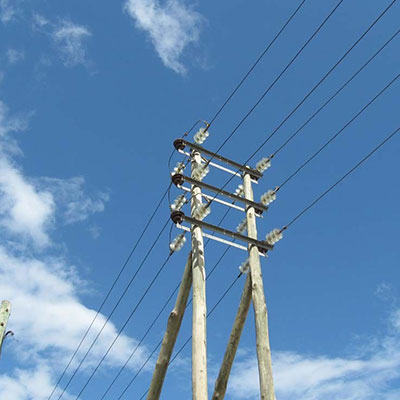
LT Electrical Pole Manufacturer
Our range of LT Electrical Poles is designed to cater to the needs of residential, commercial, and industrial buildings. We understand the importance of safety and reliability in electrical systems, and our poles are built to withstand harsh weather conditions and provide a stable and secure supply of electricity. Our team of experts works closely with clients to ensure that the poles are tailored to their specific requirements.
Some more details about the product
- The electric lines that generate the most public interest are often high-voltage transmission lines.
- These are the largest and most visible electric lines. Most large cities require several HT-LT Electrical Pole for reliable electric service.
- Transmission lines are larger than the more common distribution lines that exist along rural roads and city streets.
- HT-LT Electrical Pole or structures are commonly between 60 and 140 feet tall. Distribution line structures are approximately 40 to 60 feet tall.
Application
- To carry electric power lines
Features:
- Easy installation
- Sturdiness
- Durable finish standard
Conclusion
In conclusion, HT/LT Electrical Poles are essential components of the power grid and play a significant role in providing a reliable and efficient supply of electricity. At National Pole, we are committed to providing high-quality poles that meet the diverse needs of our clients. With our expertise and dedication, we strive to be the top choice for HT/LT Electrical Pole Manufacturer in Rajasthan, Madhya Pradesh, Maharashtra, Uttar Pradesh, Gujarat, Karnataka, Andhra Pradesh, Odisha, Chhattisgarh, Tamil Nadu, West Bengal, Assam, Bihar, Jharkhand, Hyderabad, Bangalore, Chennai, Manipur, Mizoram, Nagaland, Meghalaya, Arunachal Pradesh, Tripura, Kerala, and Jammu & Kashmir. Contact us today for all your electrical pole needs.
Rajasthan, Madhya Pradesh, Maharashtra, Uttar Pradesh, Gujarat, Karnataka, Andhra Pradesh, Odisha, Chhattisgarh, Tamil Nadu, West Bengal, Assam, Bihar, Jharkhand, Hyderabad, Bangalore, Chennai, Manipur, Mizoram, Nagaland, Meghalaya, Arunachal Pradesh, Tripura, Kerala, Jammu & Kashmir